

Regenerative Fellowship Kuching
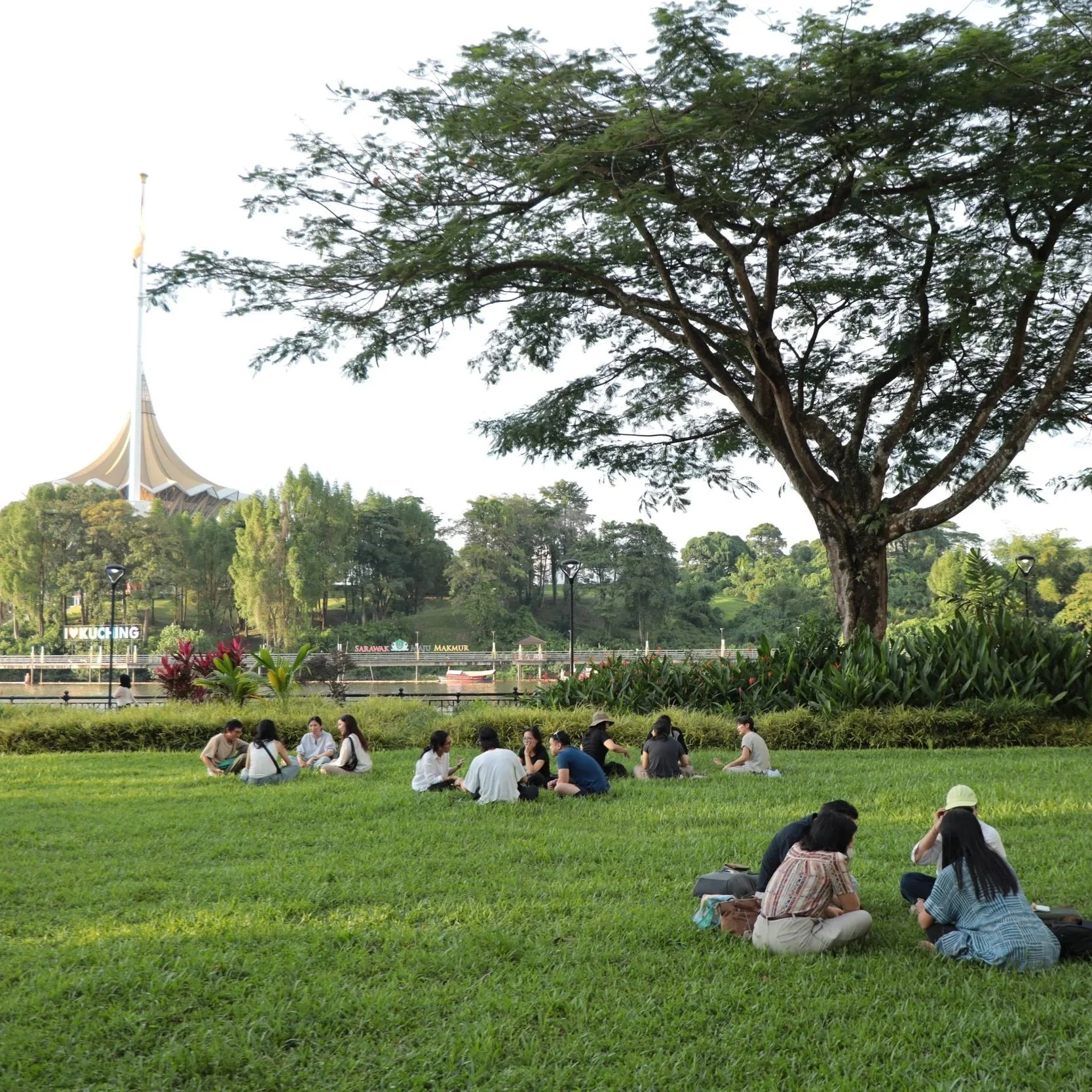
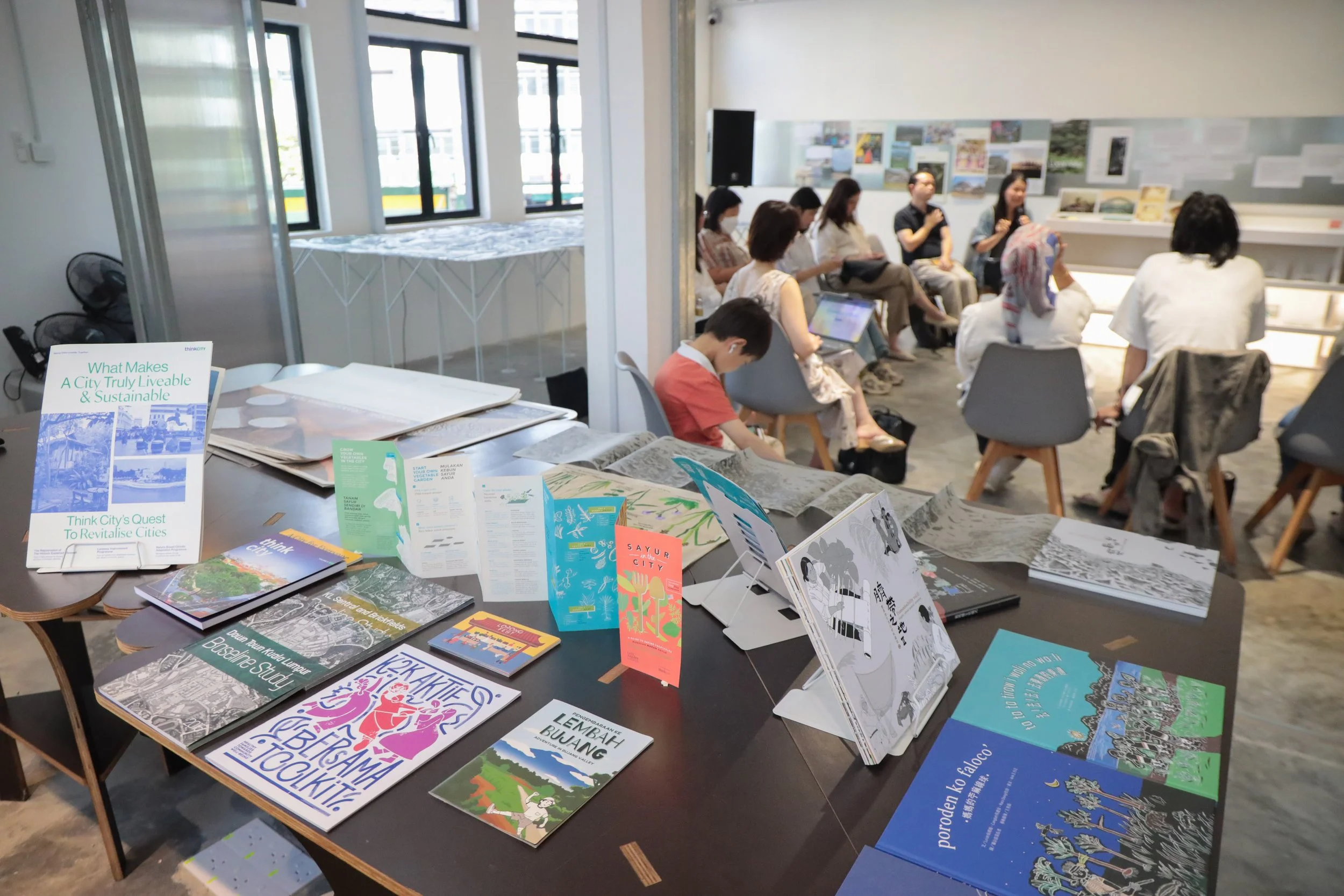
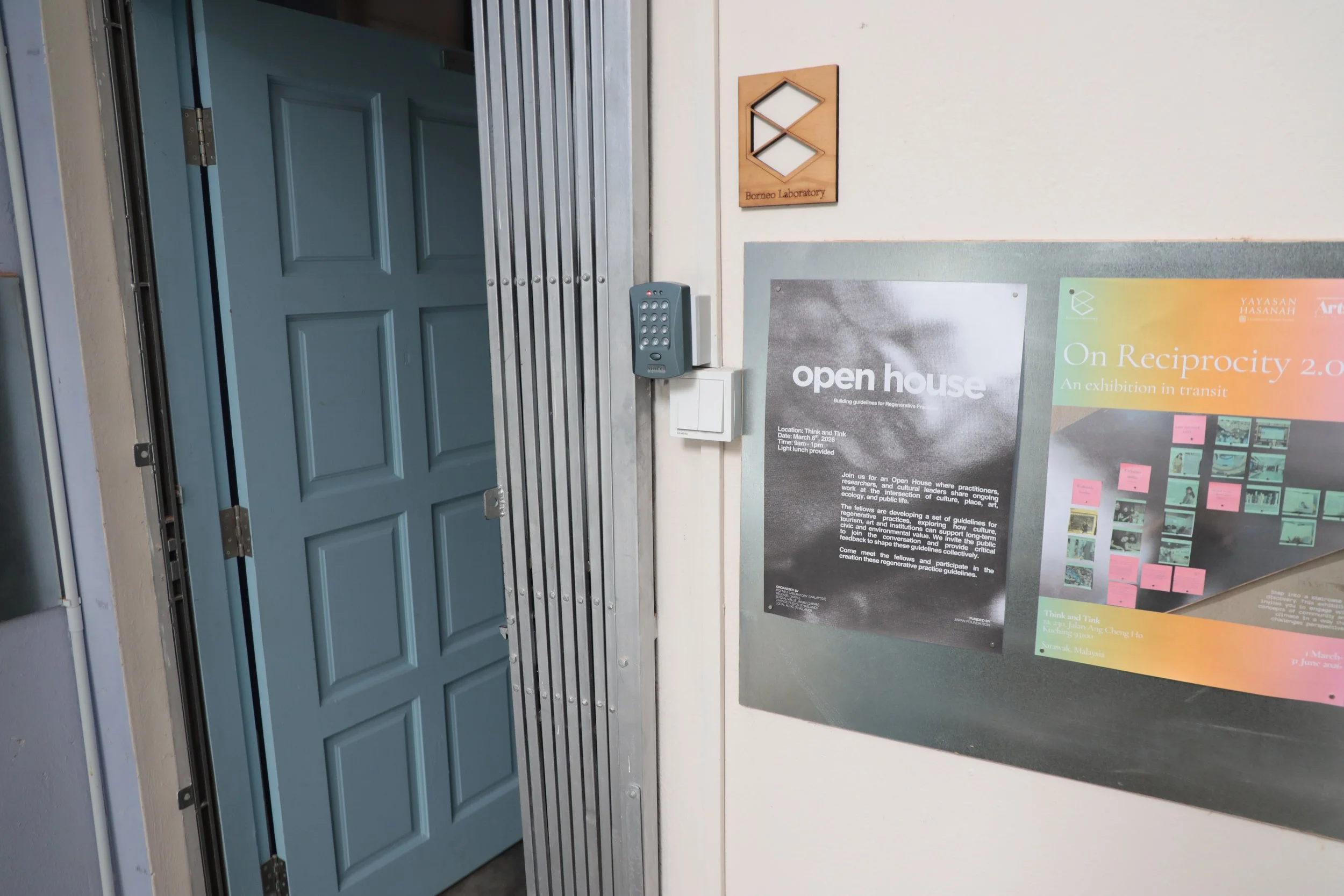
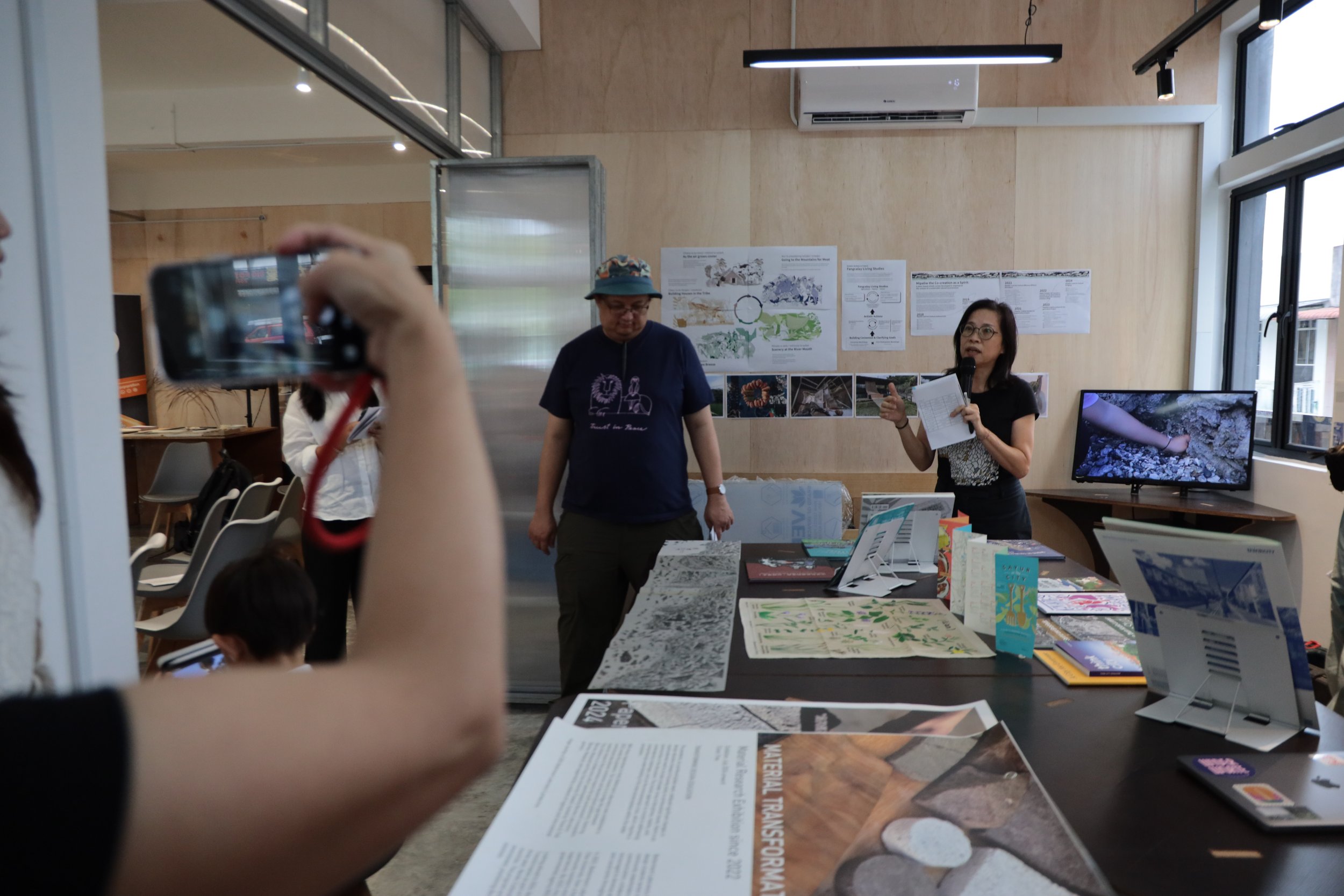
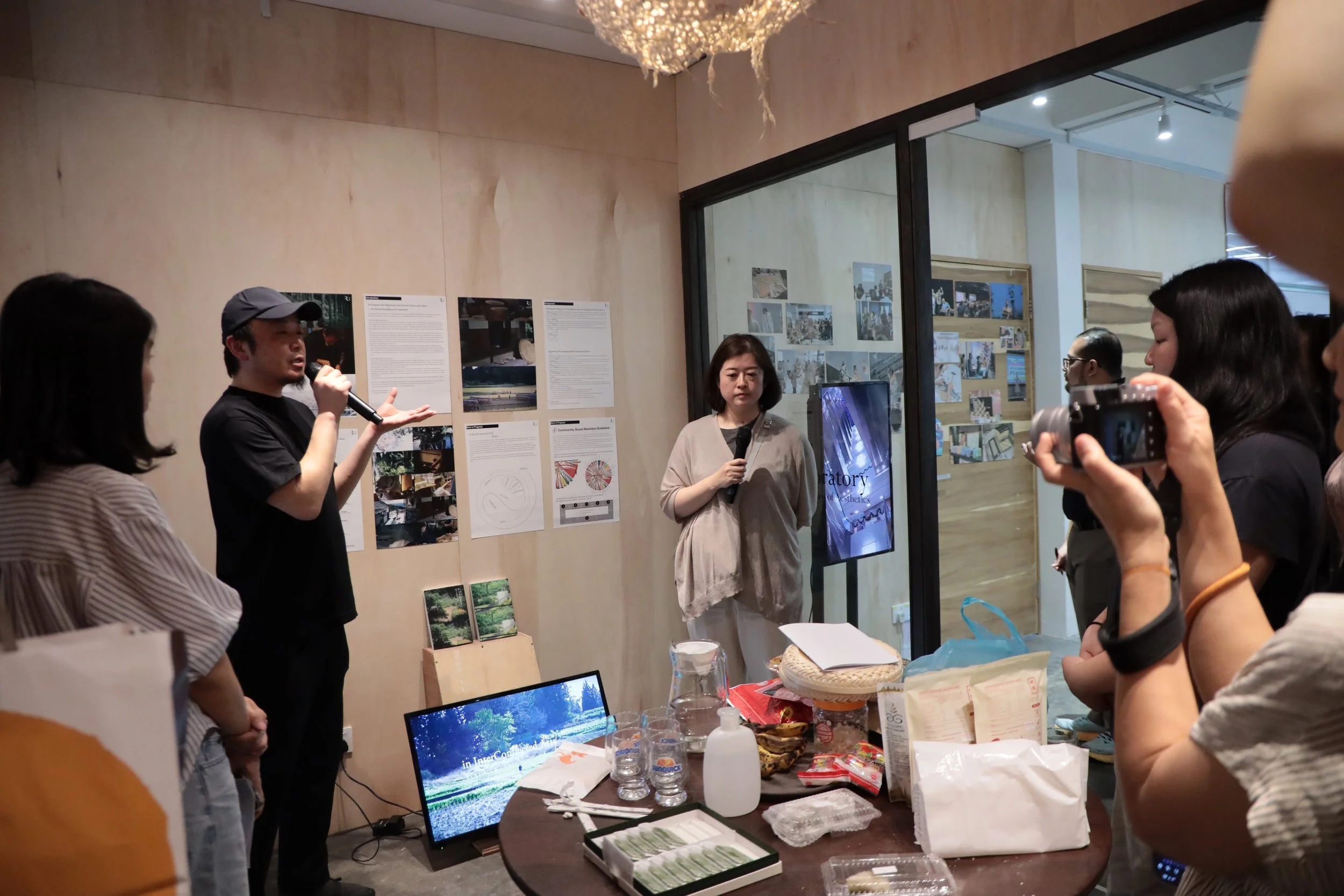
From 4th to 6th of March, 2026, practitioners from Japan, Thailand, Taiwan, Malaysia, Indonesia, and China gathered in Kuching for the Regenerative Fellowship, hosted at the new Think & Tink space.
Hosted by Borneo Laboratory and supported by the Japan Foundation, the gathering brought together artists, designers, curators, and cultural practitioners who share a common question: how can our work contribute to regenerative futures?
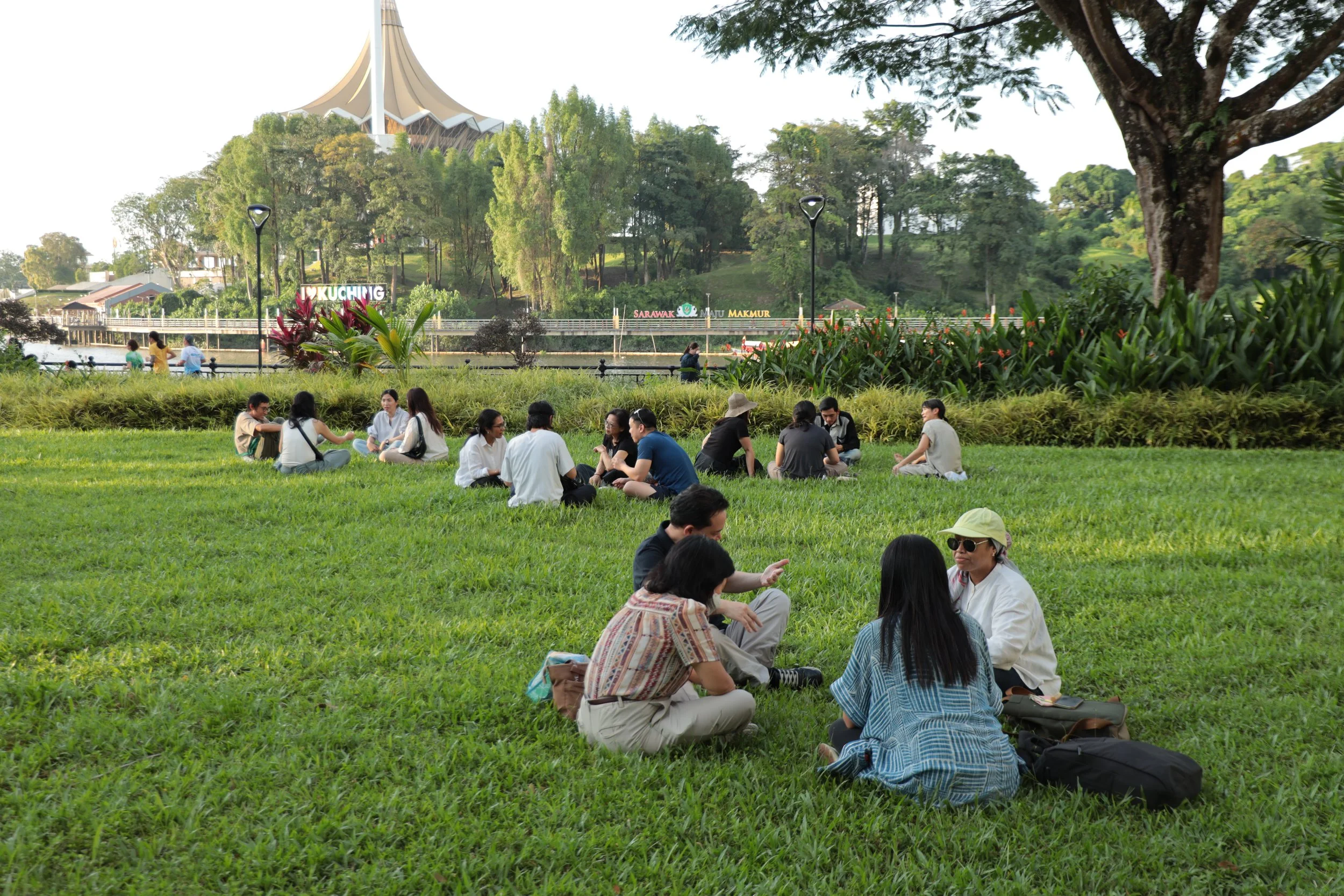
Rather than arriving with fixed answers, we came with inquiries. Through conversations, shared meals, walks through the city, and collective reflection, the fellowship became a space for listening across cultures, disciplines, and lived experiences.
One meaningful outcome of the gathering was the collective development of a living guideline for regenerative practice. Shaped by the diverse perspectives of the fellows, this evolving framework reflects a shared commitment to reciprocity, longer-term thinking, and ethical collaboration with both human and more-than-human worlds.
This moment in Kuching marks the beginning of a wider journey. The fellowship will continue in Chiang Mai, where the conversation will unfold further with new landscapes, communities, and questions.
The vibrant response during our recent Open House reminded us how much curiosity and interest exists around regenerative practices today. Over the coming days, we will share glimpses from the fellowship, introducing the people, conversations, and practices that are shaping this collective exploration, and where this journey may lead next.

The Practitioners Behind the Regenerative Fellowship
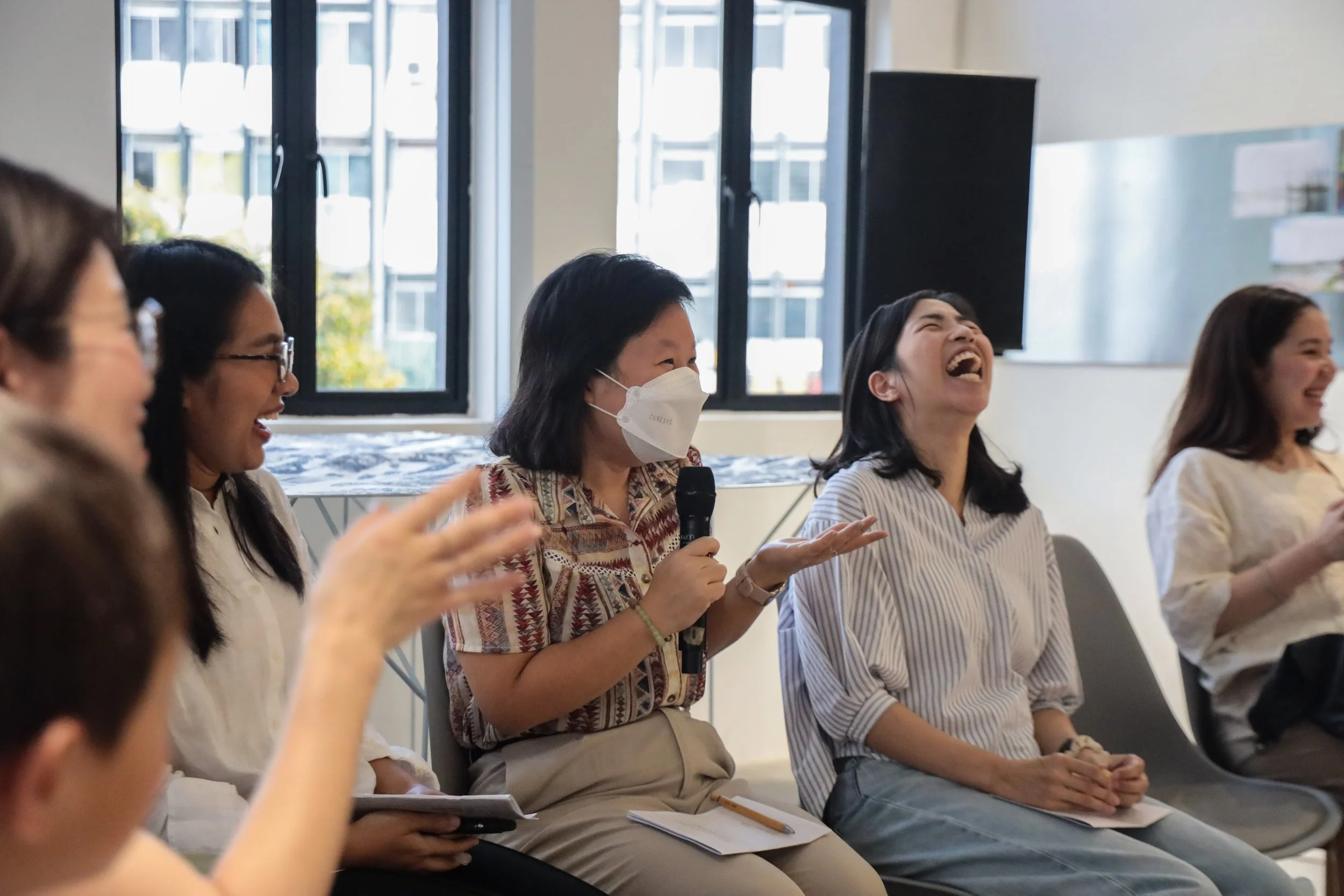
The Regenerative Fellowship in Kuching brought together a group of practitioners from across Asia who are working in different fields, yet are connected by a shared curiosity: how might regenerative practices shape the future of our cultures, cities, materials, and landscapes?
Each fellow carries a different inquiry.
Hana from Think City brings experience in urban regeneration, exploring how cities can evolve while remaining attentive to history, community, and place.
Bioeconomy Corporation and CAST Foundation, together with Borneo Laboratory, are interested in the idea of a bio-material commons, exploring regenerative materials that could gradually phase out conventional extractive materials.
Ssu Min and Hsiu Ju from Taiwan Creative Nodes is working closely with Indigenous communities in Hualien, learning from ancestral knowledge systems and documenting these practices through drawings and publications.
Perspective Studio explores the symbiosis between forest ecosystems and craft traditions, asking how material cultures can remain rooted in living landscapes.
GMBB brings insights from Kuala Lumpur’s evolving art ecosystem, reflecting on how creative communities can grow while supporting long-term cultural resilience.
Tsutsumi from Japan investigates how urushi (traditional Japanese lacquer) might find new relevance in contemporary products without losing the integrity of its craft lineage.
Release Kyoto works on regenerative tourism frameworks, advising both the Kyoto government and local communities.
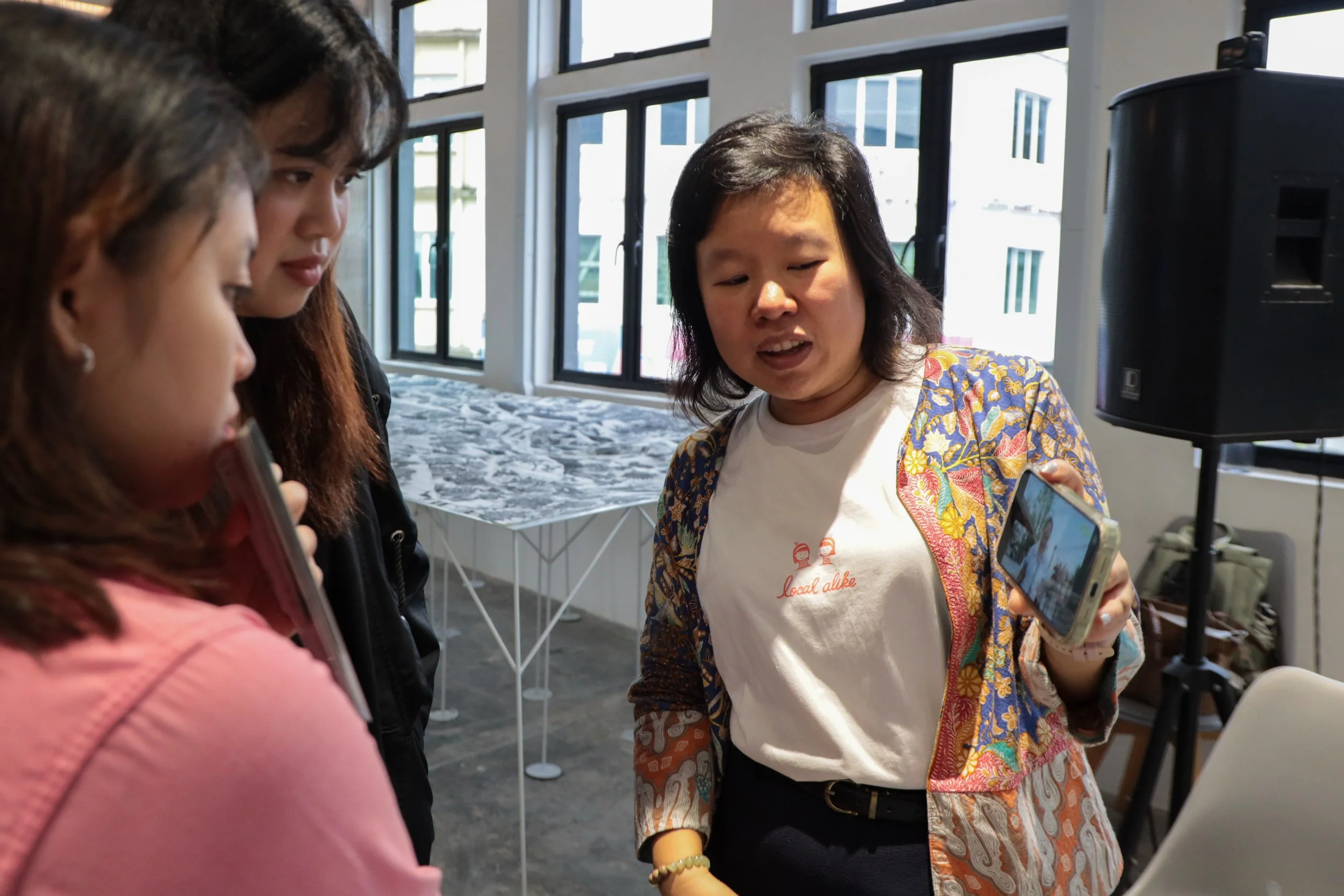
Local Alike’s ambition is to enable over their communities to adopt regenerative practices that strengthen both culture and ecology.
Though their practices differ, the fellowship allowed these inquiries to meet in one place, creating a space where ideas could cross-pollinate and new possibilities could begin to emerge.
Regeneration rarely begins with a single solution.
More often, it begins with many questions held together in conversation.
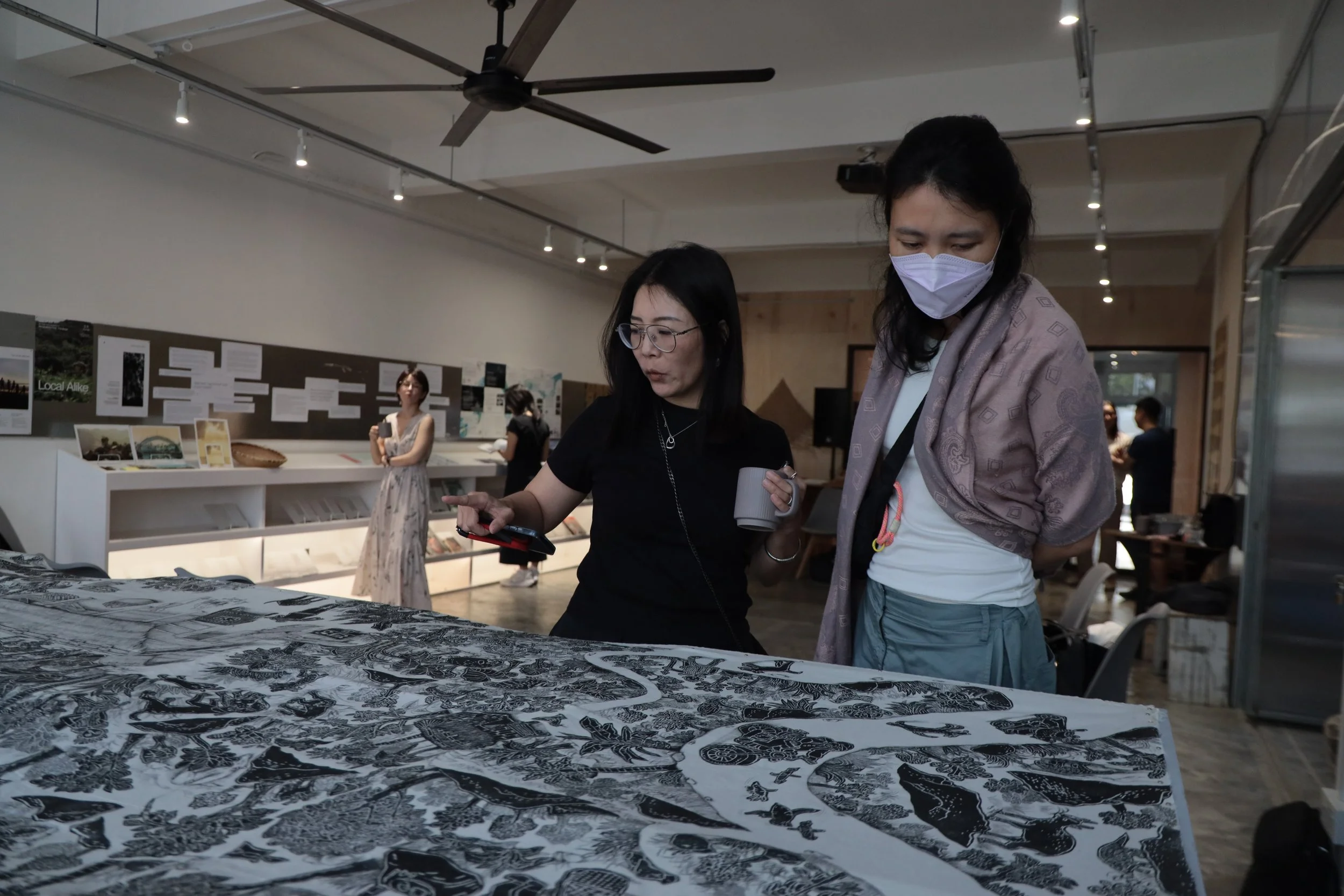
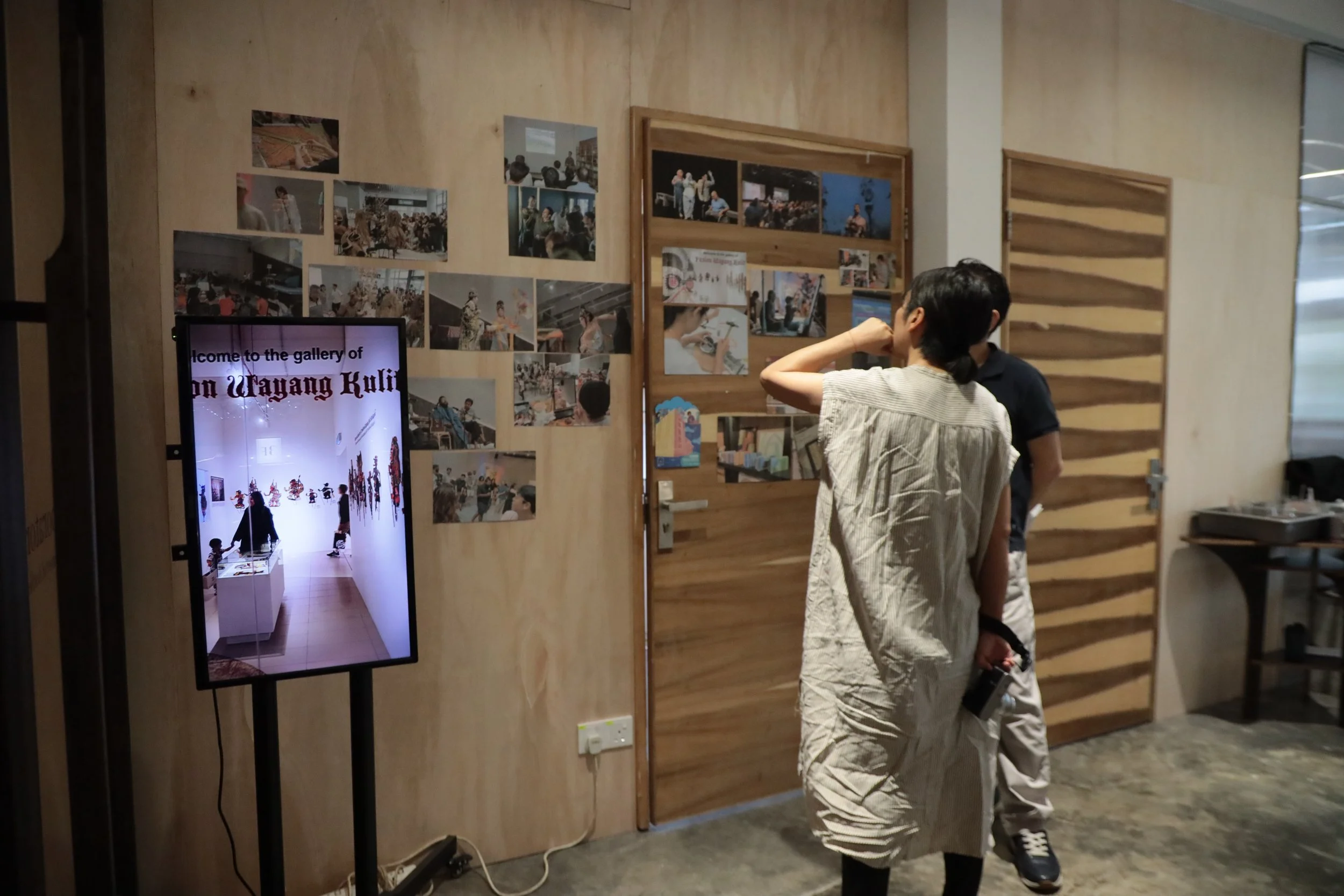
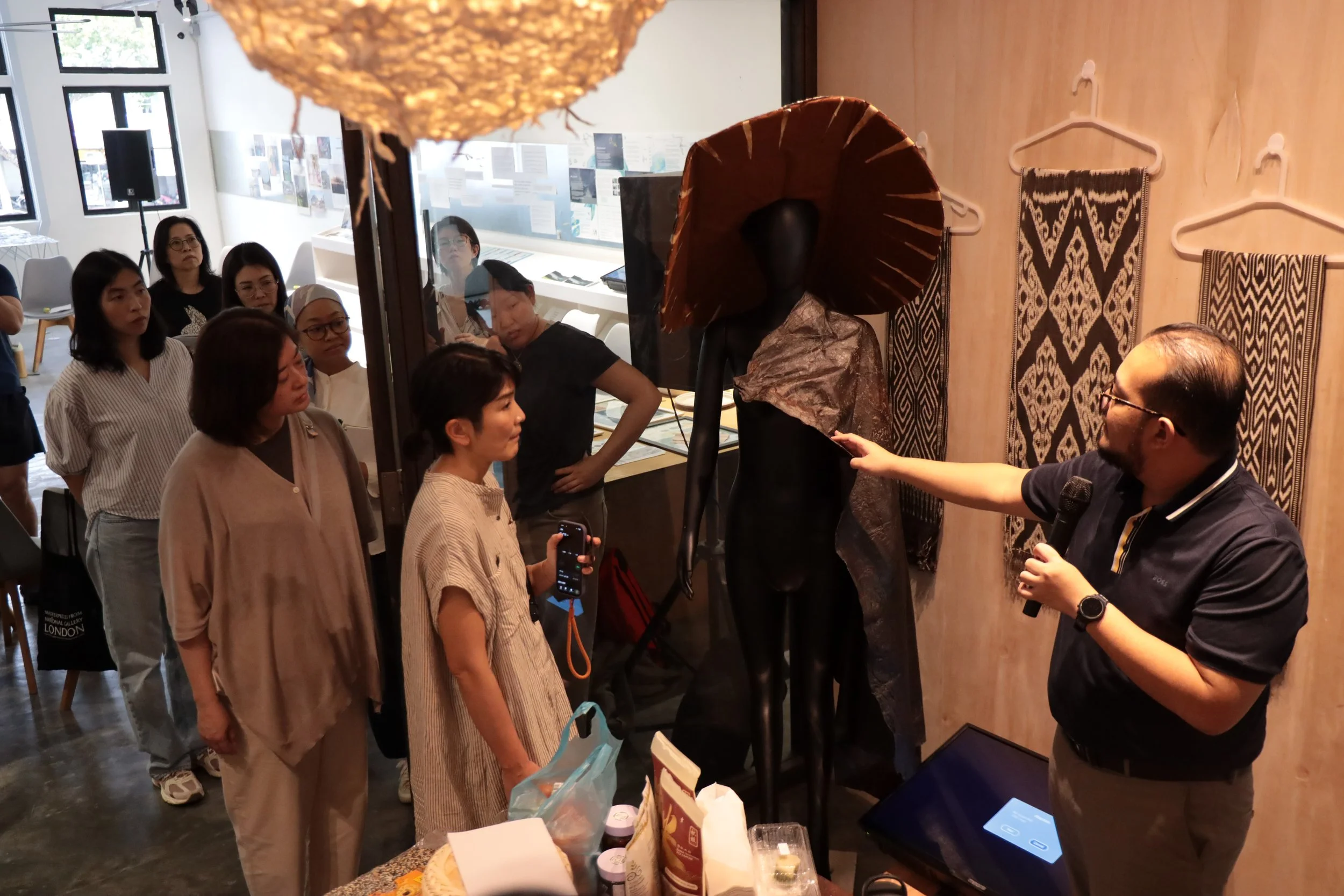
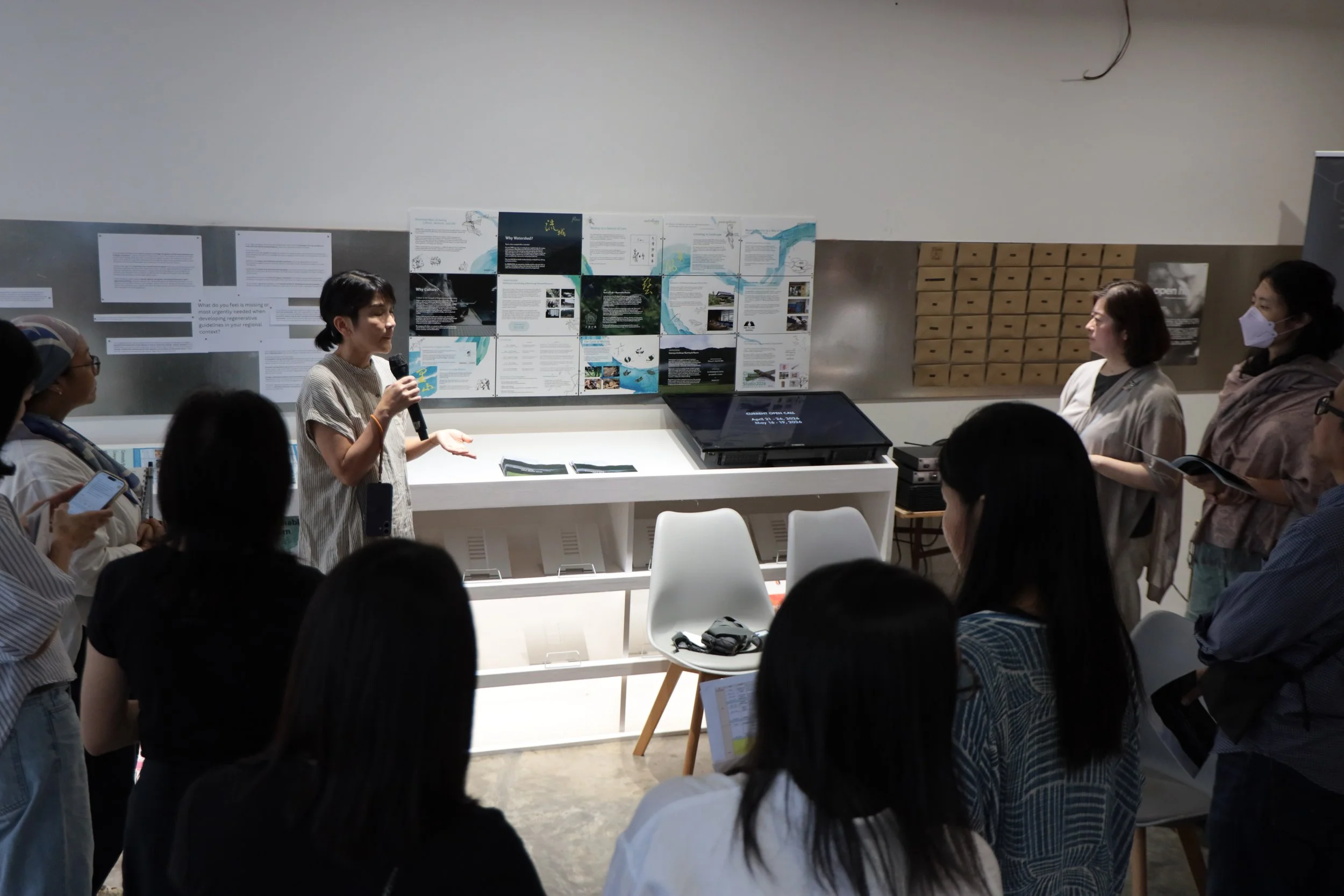
Urban Pocket Storytelling, Voices from Kuching
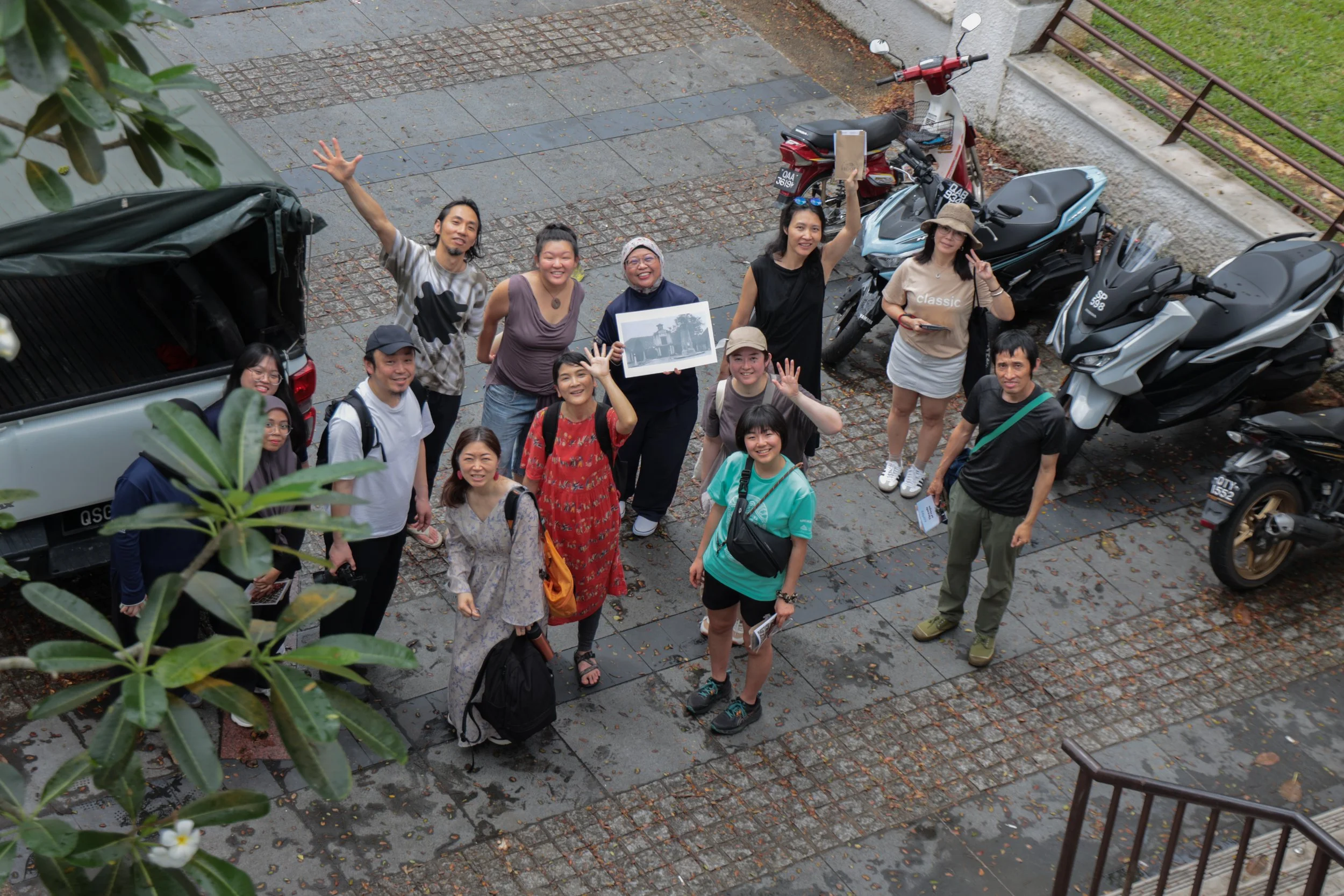
As part of the Regenerative Fellowship, we invited our participants to encounter Kuching through the people who care deeply for this place.
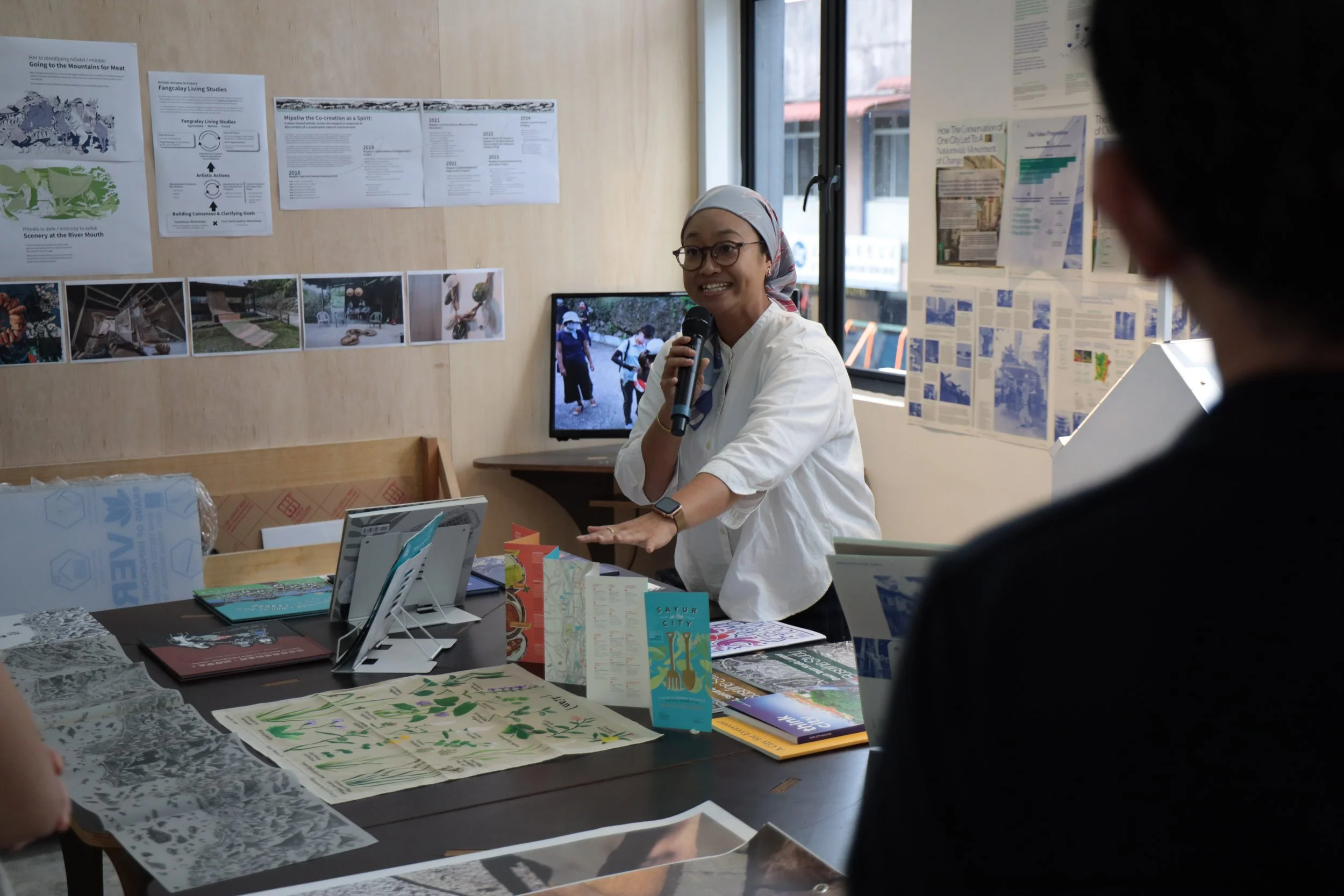
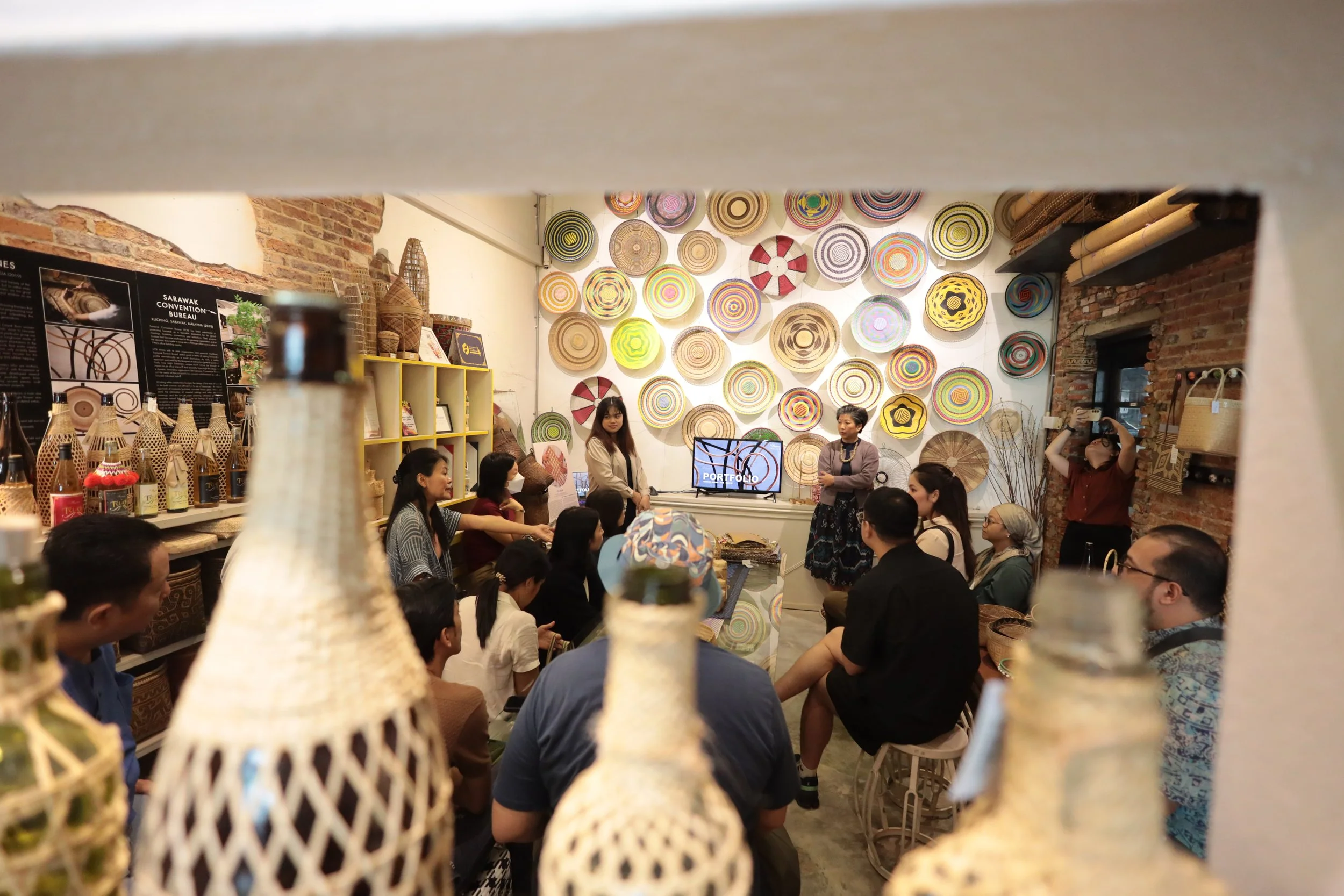
Through our Urban Pocket Storytelling segment, several local practitioners shared their work and journeys, offering glimpses into how regeneration takes shape through everyday commitment.
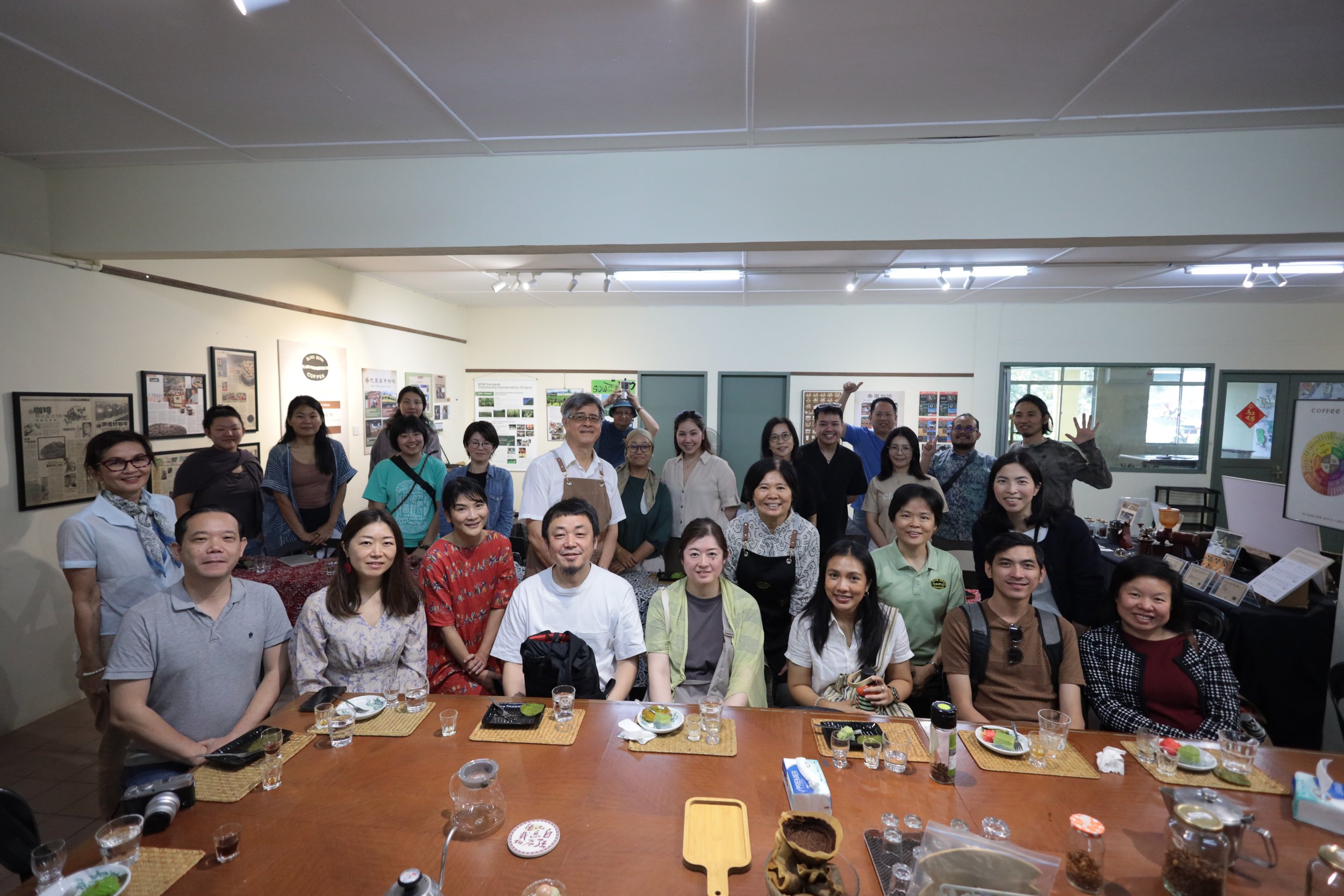
From Black Bean Coffee, we heard about their long-standing relationships with micro-farmers who cultivate coffee with care. Beyond sourcing beans, their work now extends into eco-tourism initiatives that bring visitors closer to the landscapes and communities behind each cup.
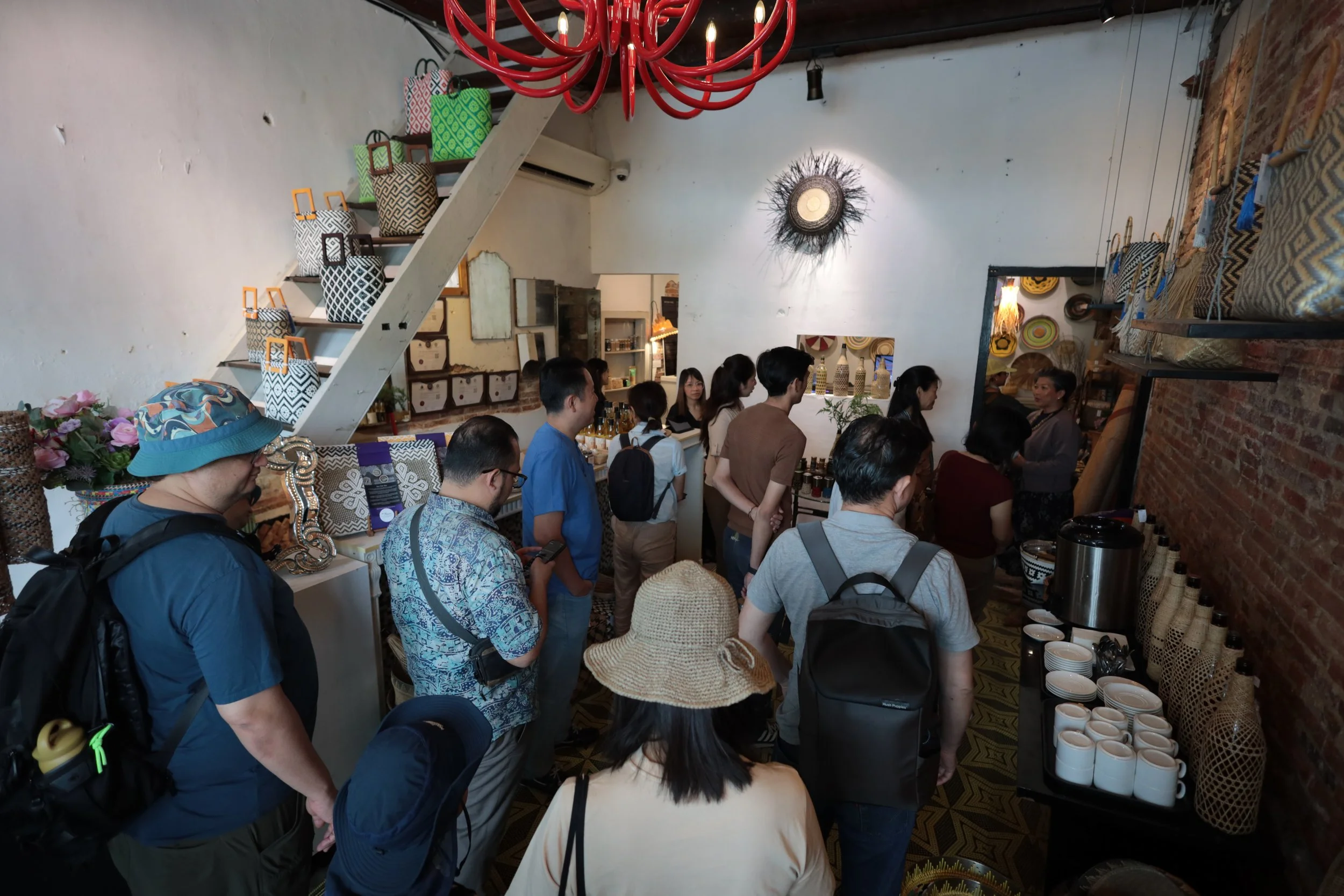
Rosemarie shared her years of dedication to women’s communities in Betong, where she has been supporting innovation in rattan weaving and upcycled material crafts, enabling traditional skills to evolve while strengthening local livelihoods.
We also learned from Kak Liza of the Brooke Trust, who guided our fellows through the history and ongoing regeneration of the Old Court House, a site that continues to hold cultural memory at the heart of Kuching.
Through these encounters, our participants experienced regeneration not as an abstract idea, but as a lived practice rooted in relationships, culture, and place. Our heartfelt thanks to these generous storytellers for sharing their time, knowledge, and spirit with us. Their presence helped ground the fellowship in the living realities of Kuching.
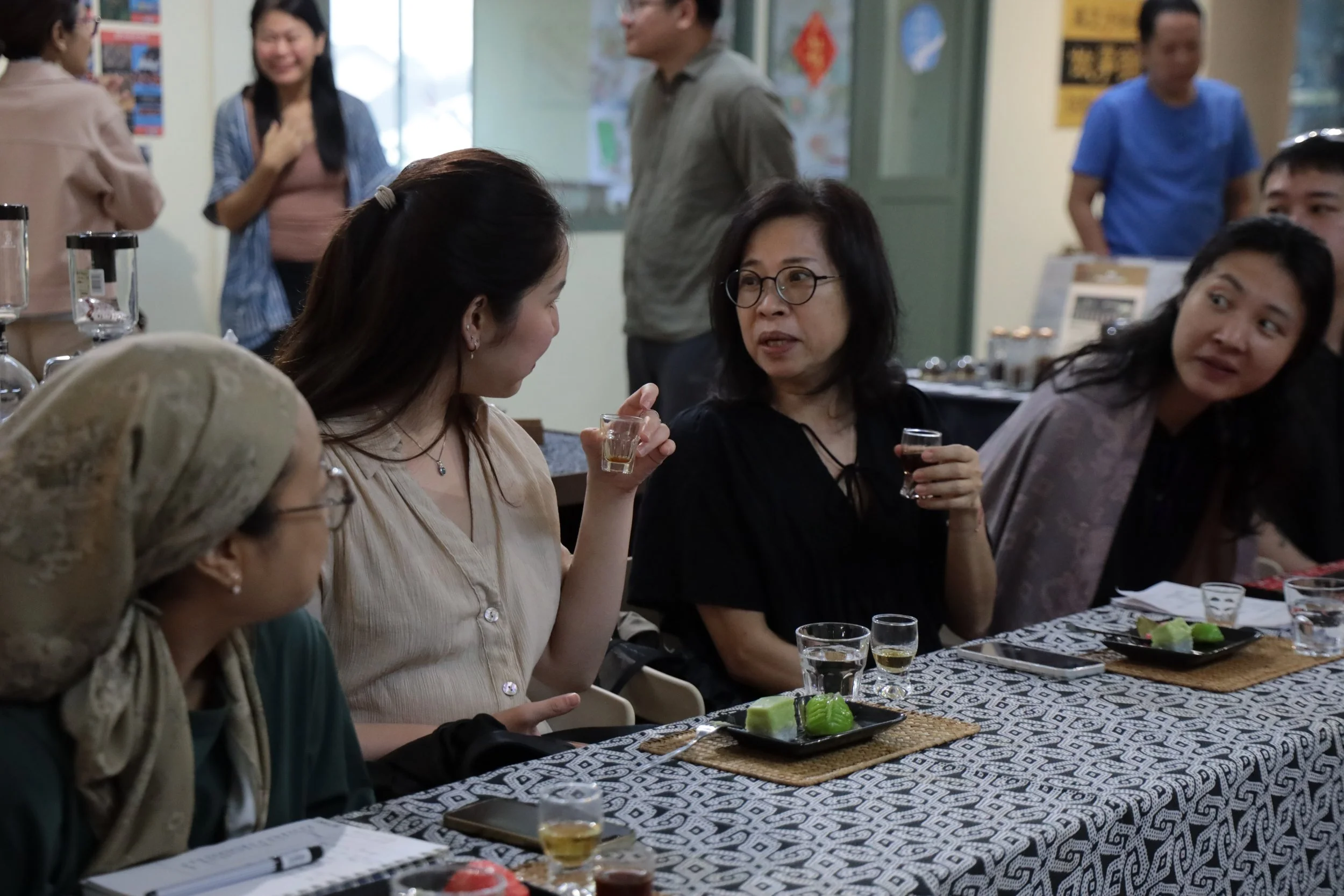
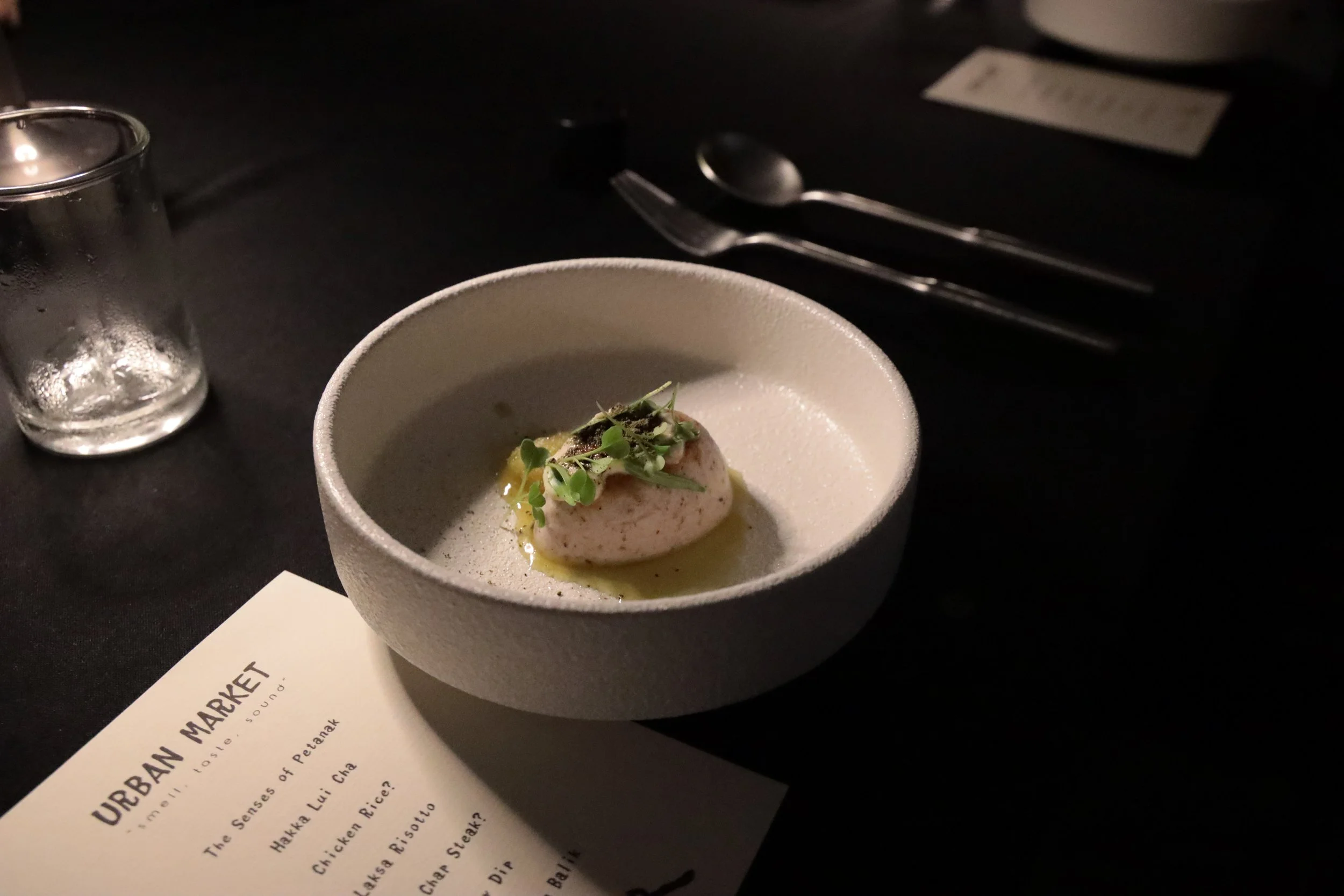
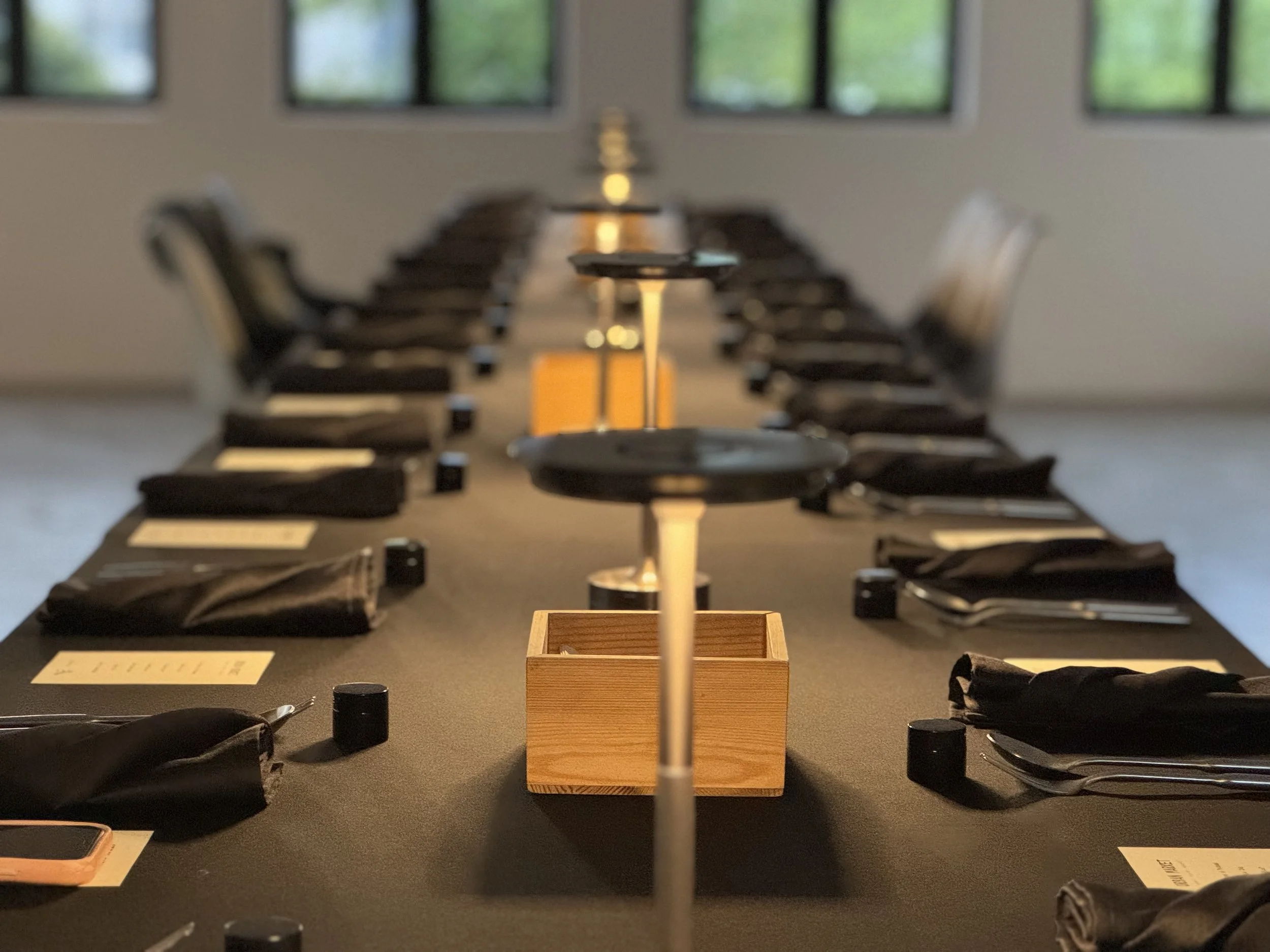
With chef Alex Ting from Kyujin, we are reminded that the extraordinary often emerges from the ordinary.
For this evening (5th of March, 2026), the ingredients were sourced entirely from Petanak Market, our local market in our neighbourhood in Kuching, where the richness of Borneo’s landscapes unfolds through food, from forest harvests to the abundance of the sea.
Together with our guests from across Asia, we invited them into a shared journey of taste that reflects the diversity, stories, and ecological connections embedded in the ingredients of this place.
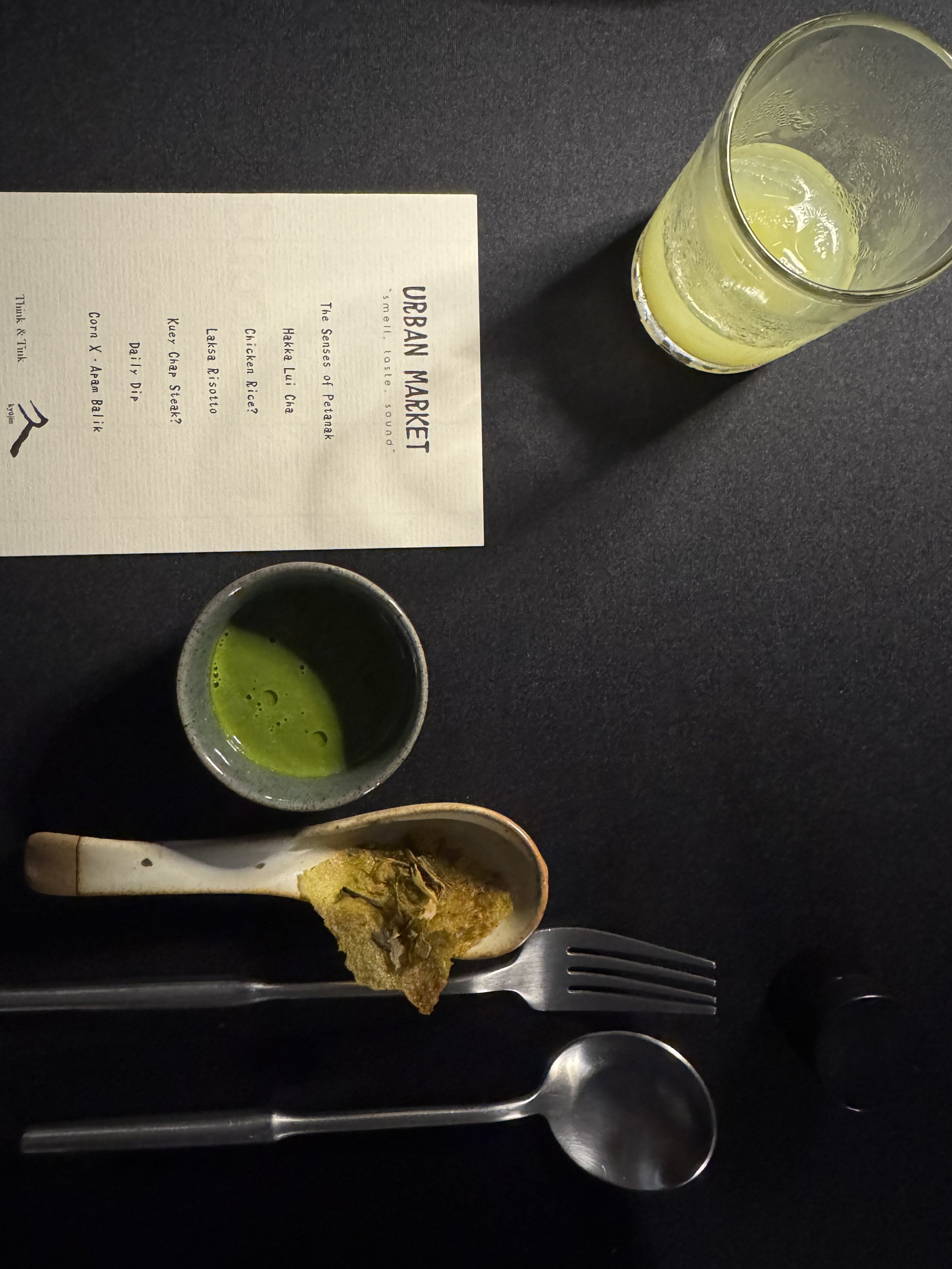
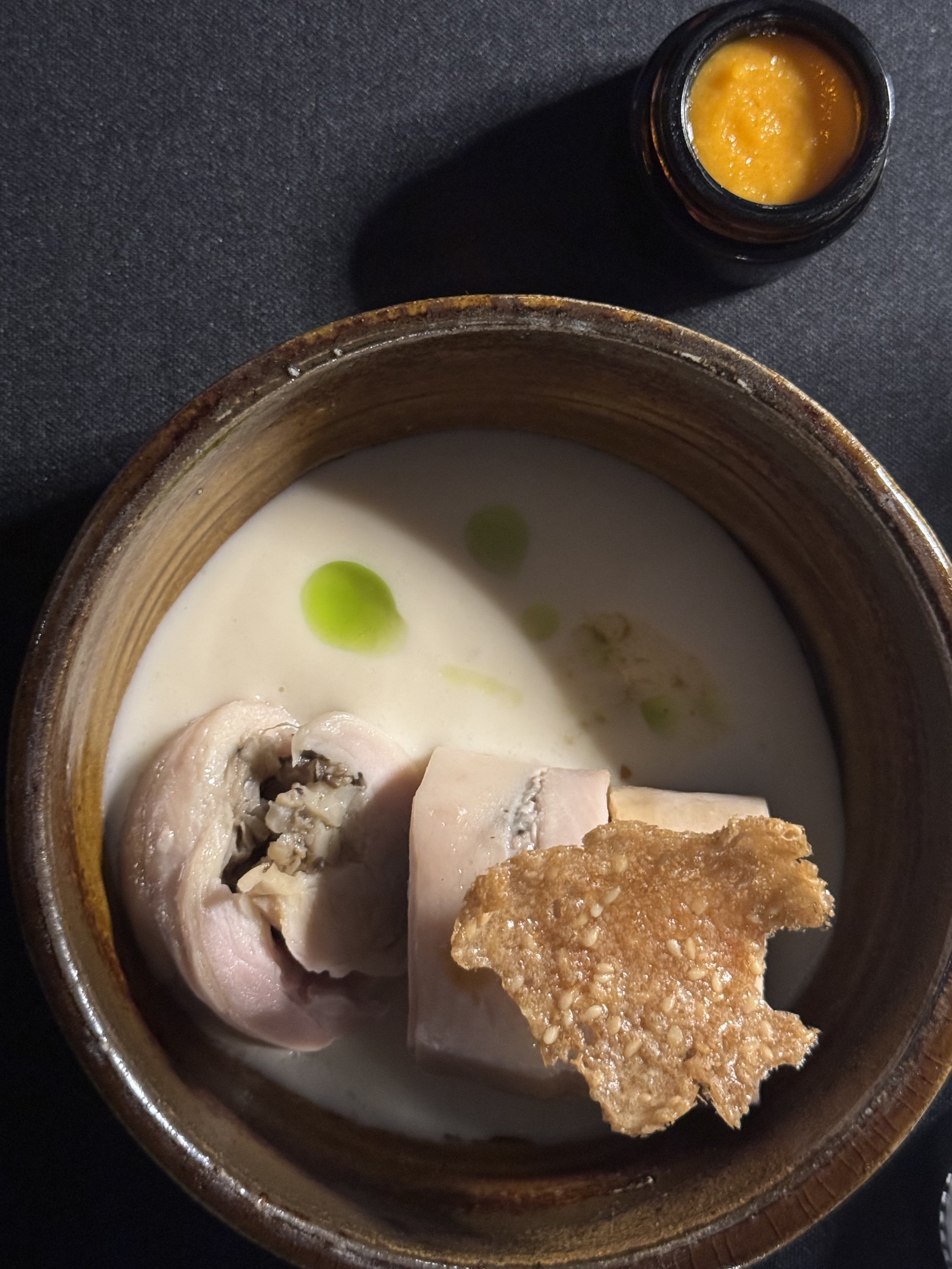
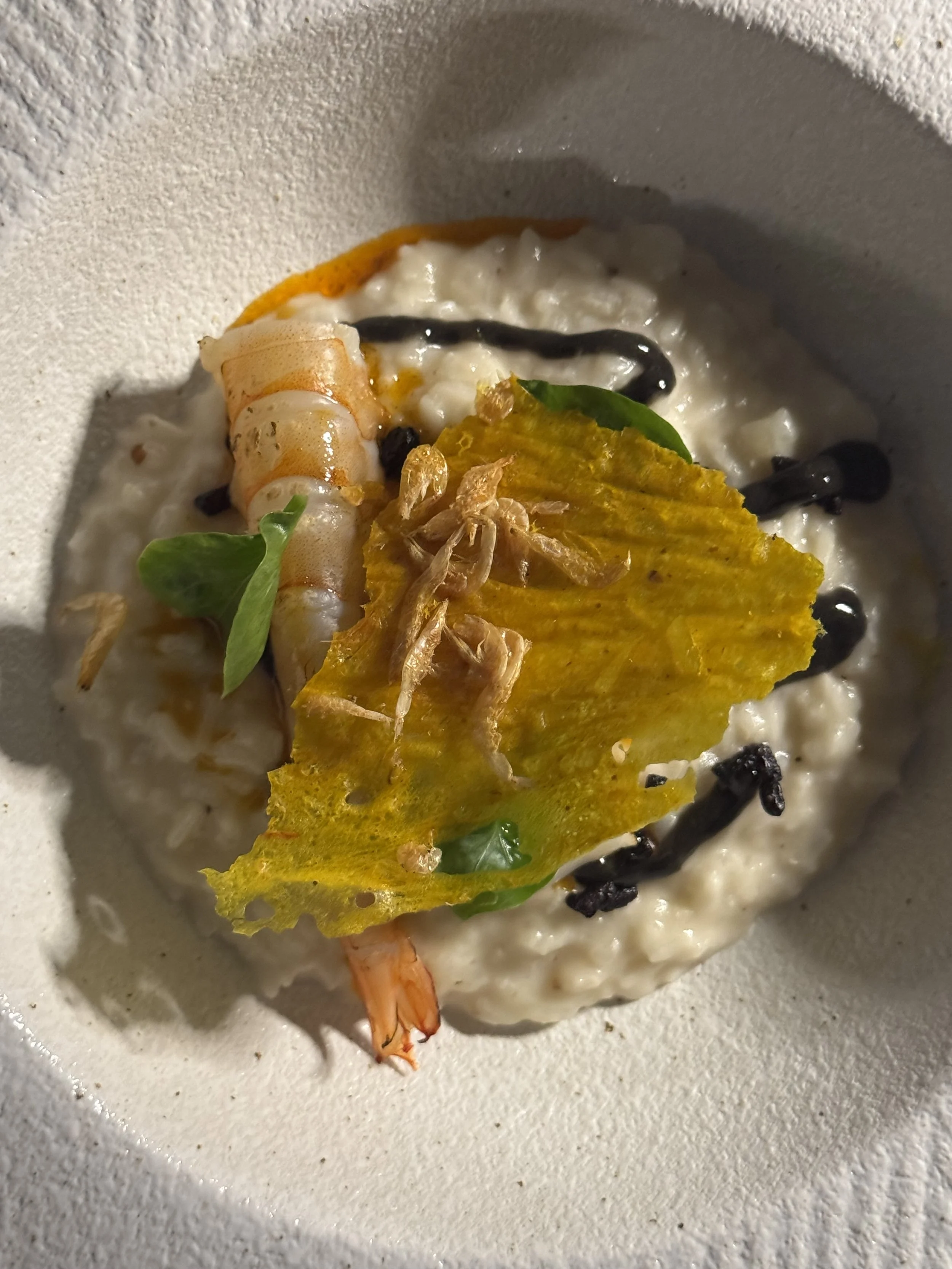
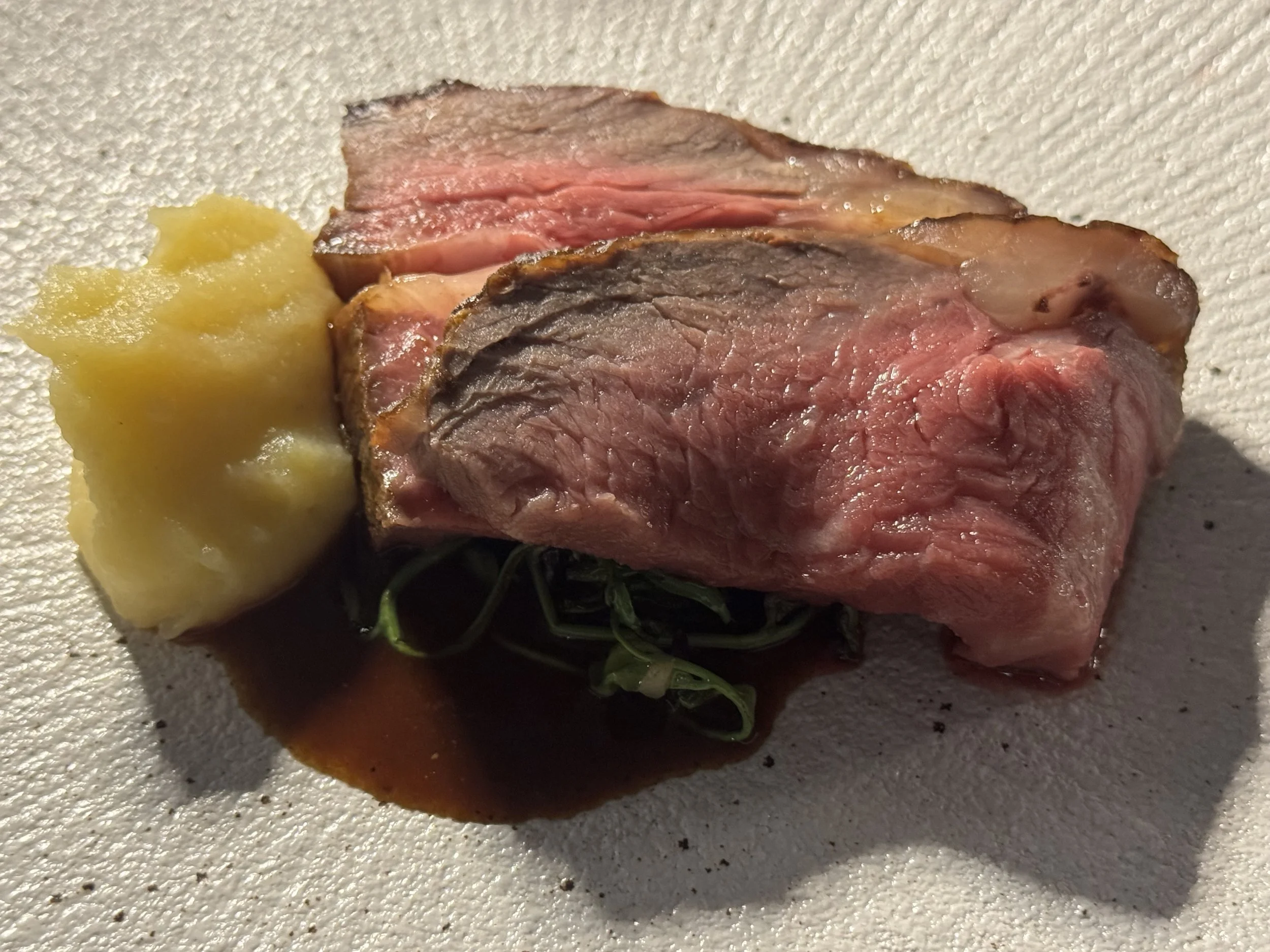
Video credits to Kyujin’s team
Photos credit to Eugene Chin
